
ARTIS – Micropia in Amsterdam – Book Tickets Online and Meet the Smallest Creatures
This website offers official tickets for this venue. Please note, however, that it is not the official website of the venue.

Smartphone tickets

Why wait?

Instant confirmation

Flexible cancellation
Micropia: Discover the invisible life (skip-the-line)
Highlights
Explore the only museum in the world focused on microbes.
Discover how microbes influence the natural world and human life.
Engage with interactive displays and animated content.
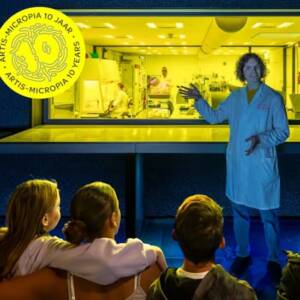
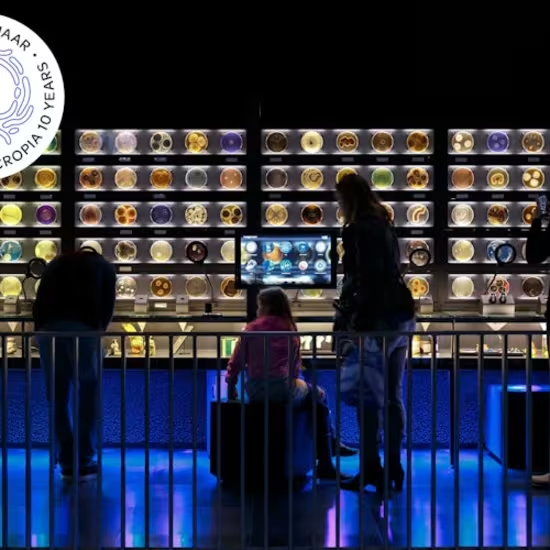
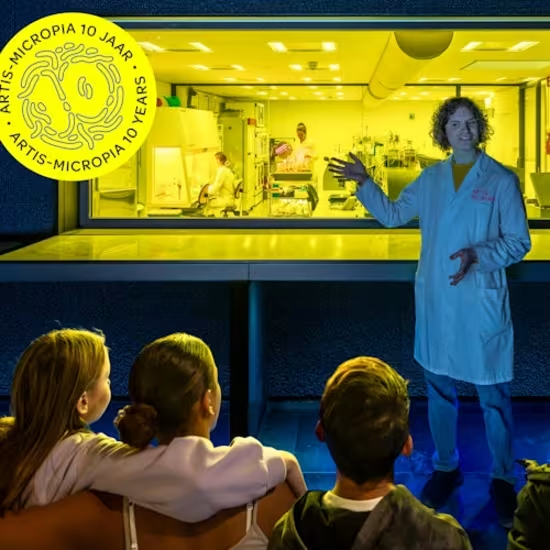
Celebrate the museum’s 10th anniversary with special exhibits and events.
Attend workshops designed for children during the holiday season.

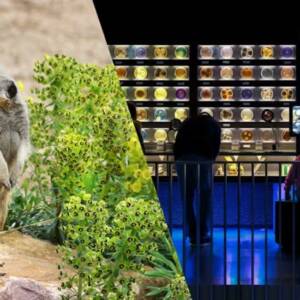

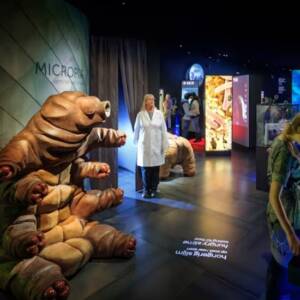
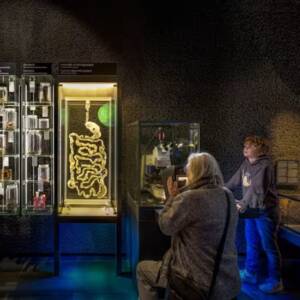

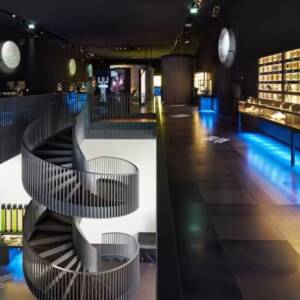







ARTIS Amsterdam Royal Zoo & Micropia: Skip The Line Entry Ticket
Highlights
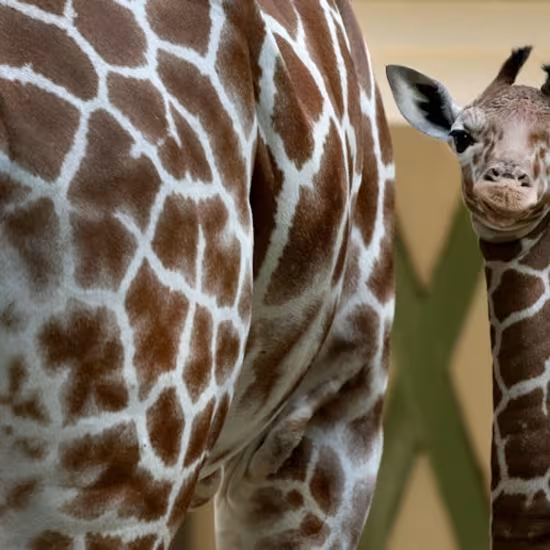
Explore the oldest zoo in the Netherlands featuring diverse animal species.
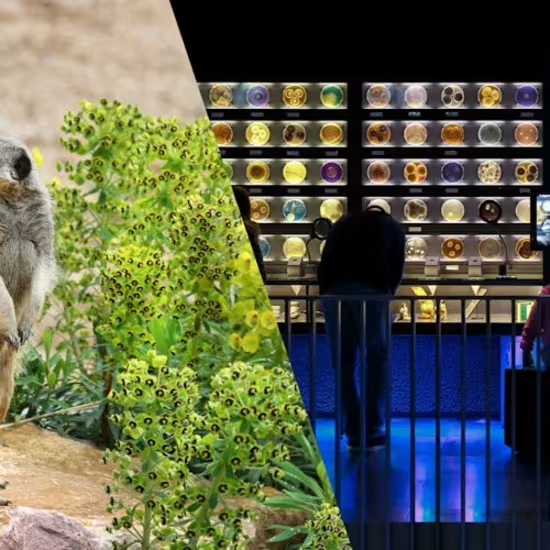
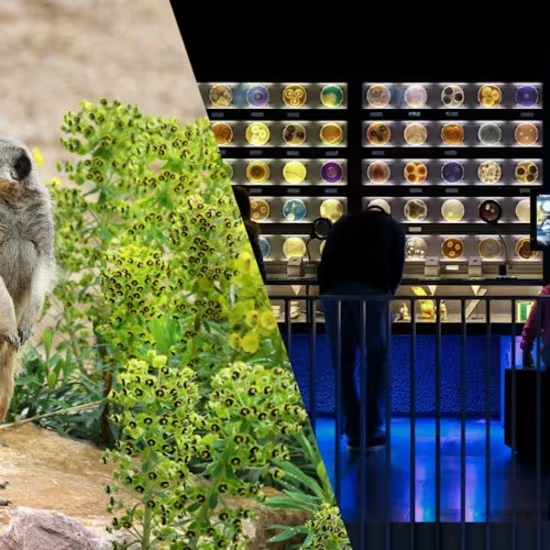
Discover the world’s only museum dedicated to microbes at Micropia.
Avoid waiting in queues with priority access.
Experience special exhibitions celebrating Micropia’s 10th anniversary.
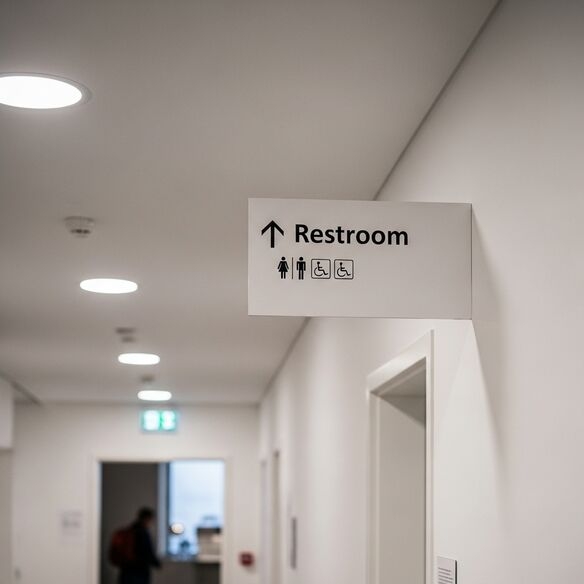
Benefit from wheelchair accessibility throughout the attraction.


























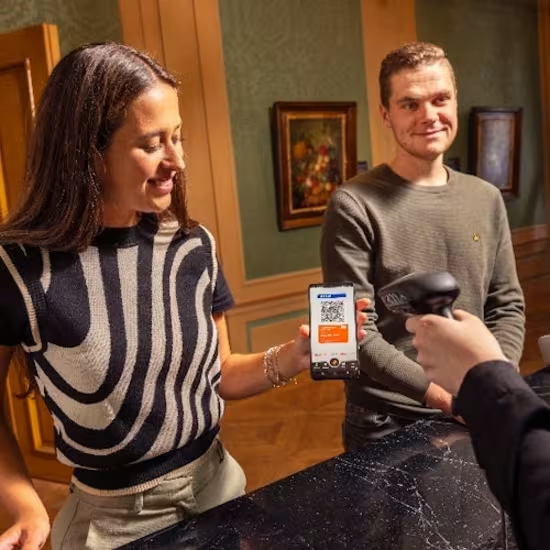
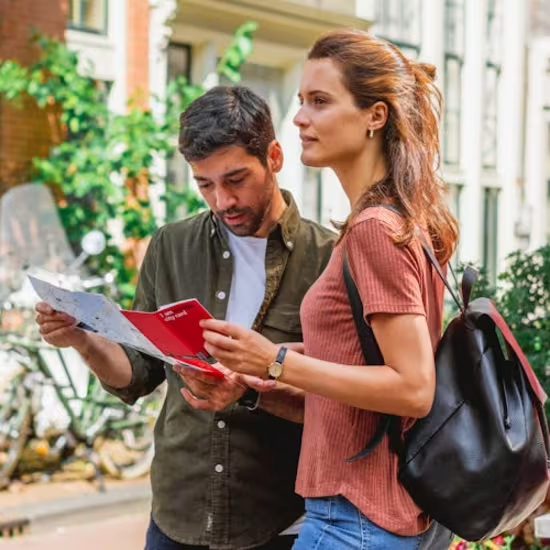
I amsterdam City Card: 100+ Museums, Sightseeing + Public Transport
Highlights
Access over 100 museums and key sights without extra charges.
Enjoy a complimentary canal cruise that showcases the city’s historic waterways.
Benefit from unlimited rides on buses, trams, and metro during your card’s active period.
Take advantage of a day-long bike rental to explore the city on two wheels.
Receive special offers and discounts at various spots throughout Amsterdam and the nearby areas.
Enjoy free entry to popular institutions like the Rijksmuseum, ARTIS Zoo, and Hermitage Amsterdam.













Welcome to ARTIS – Micropia in Amsterdam
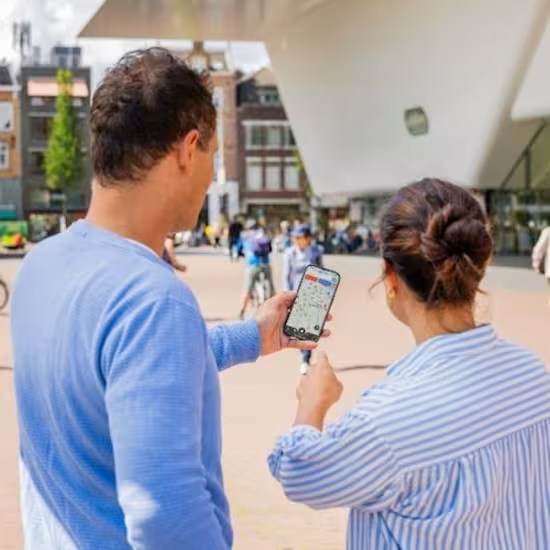
Visit ARTIS – Micropia in Amsterdam, where the invisible becomes unforgettable. Explore, discover, and get your ticket to Amsterdam’s only museum devoted to the tiny life that shapes our world.
About ARTIS Micropia
Why Visit ARTIS Micropia?


Timings of ARTIS Micropia
Best Times to Visit ARTIS – Micropia in Amsterdam
Location and Address of ARTIS Micropia
How to Get to ARTIS – Micropia in Amsterdam
Things to Know Before Visiting ARTIS Micropia in Amsterdam
- Facilities
- Accessibility
- Guidelines
- Rules
Onsite Facilities
Accessibility Information

Visitor Guidelines

Rules and Regulations

Interesting Facts About ARTIS-Micropia
World’s First Microbe Museum
Micropia is the very first museum entirely devoted to microorganisms — a place where the invisible life that surrounds and lives within us is made visible.
Over a Decade in the Making
The idea was first conceptualized in 2003, but Micropia took about 12 years of planning, design, and development before finally opening its doors in 2014.
Living Microbes On Display
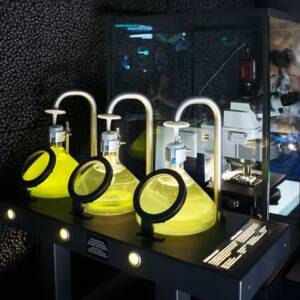
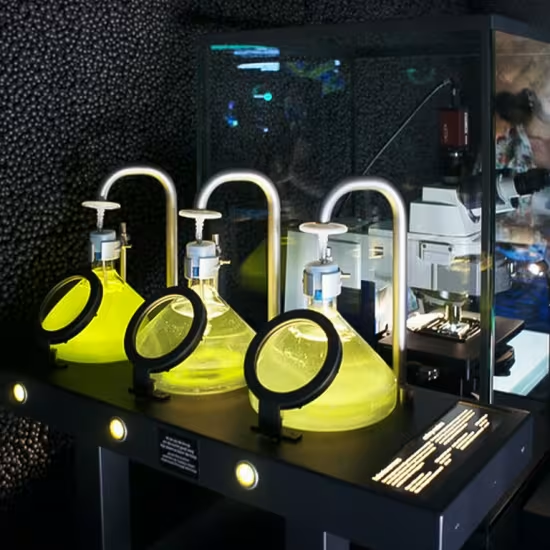
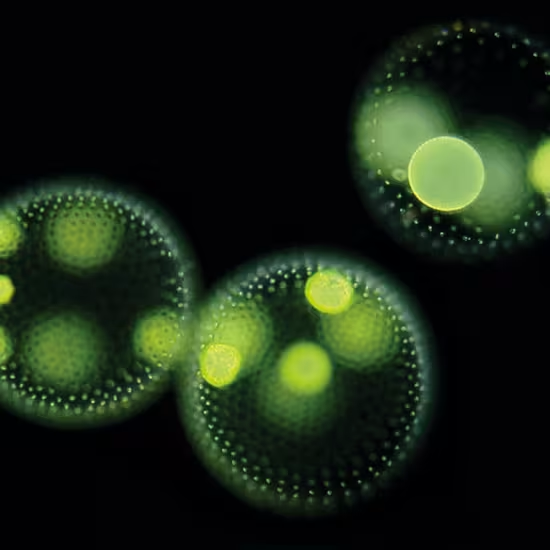
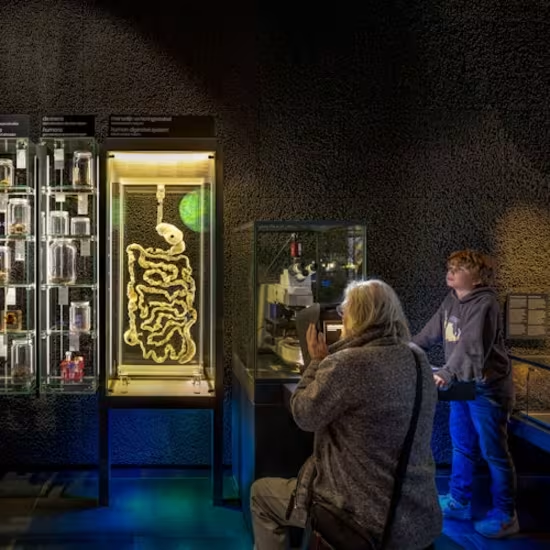
Micropia has a real laboratory on site where technicians care for and cultivate live microbes. Visitors can examine over 40 species of living microorganisms through microscopes.
Body Scan & Personal Microbiome
One of the museum’s signature exhibits is a Body Scan that reveals the microbes living on/in your own body. You also interact with exhibits like the “Kiss-o-Meter” that shows microbes exchanged during a kiss.
You Carry About 1.5 kg of Microbes
All humans carry around 1.5 kilograms of microbes in and on their bodies. They outnumber our human cells by a large margin.
The Building Is Historic
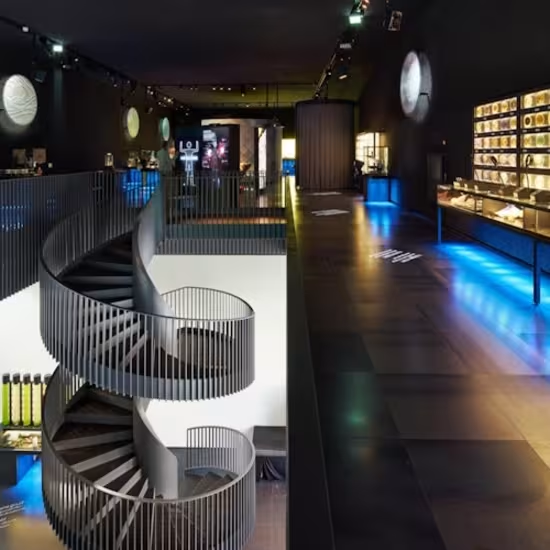
Micropia is housed in a national monument called de Ledenlokalen, built in 1870. Rather than constructing a new building, the museum repurposed this listed building, integrating modern museum and lab spaces while preserving heritage architecture.
Innovative Design & Multimedia
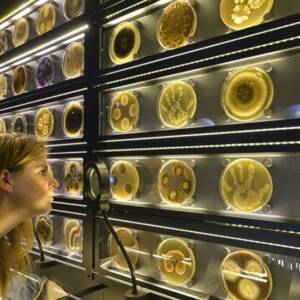
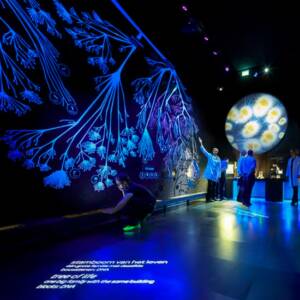
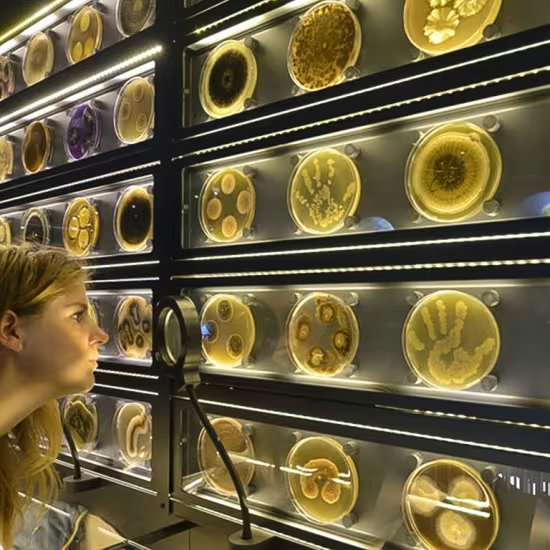
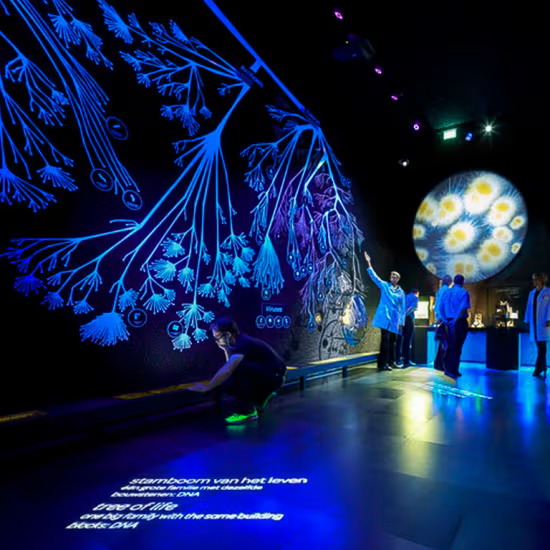
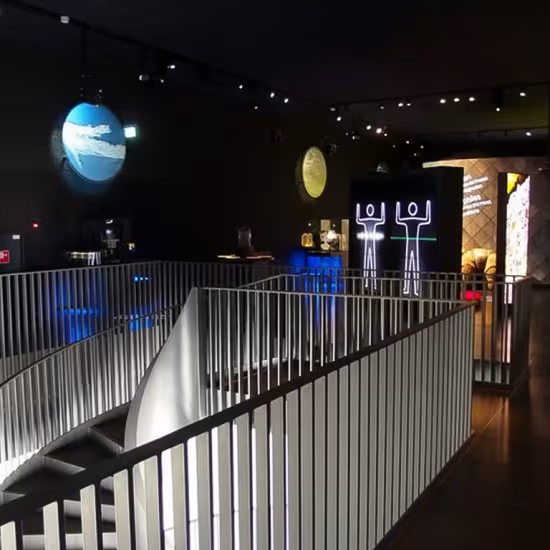
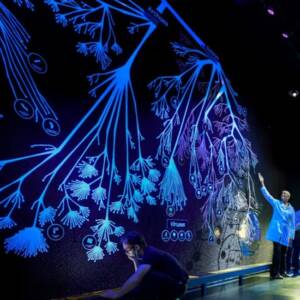
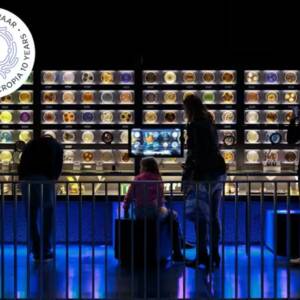
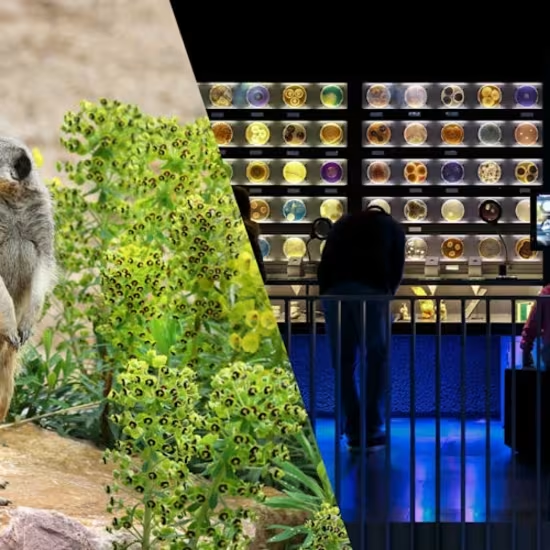
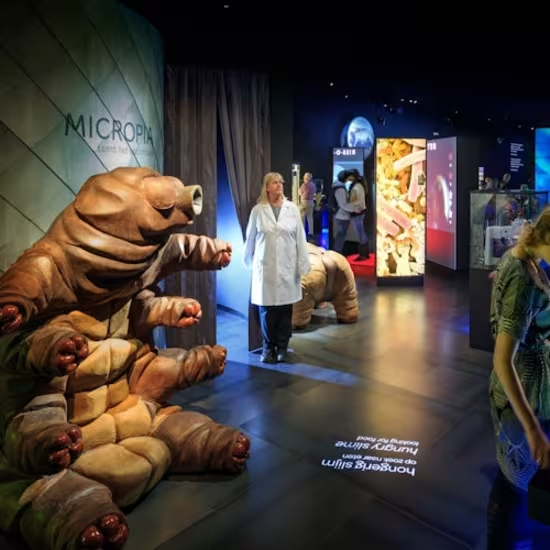
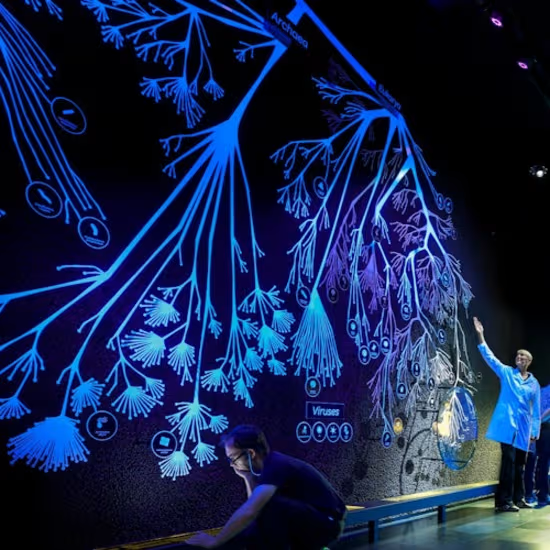
Exhibits use 3D viewers, live microscopy, multimedia animations, petri dish walls, and visualizations of microbes in motion. Even the lift ride to upper levels includes immersive visual content about microscopes and microbes.
Microbes Are Everywhere & Ancient
Microorganisms have existed for ~3.5 billion years, thriving in extreme environments and playing key roles in all life on Earth. Micropia highlights how they survive, adapt, and are essential even in environments hostile to most other life forms.
Big Impact — Small Creatures
Microbes are responsible for many processes we often take for granted — producing much of Earth’s oxygen, degrading waste, helping digestion, defending against harmful pathogens. Micropia emphasizes that these tiny organisms are in fact essential to life.
Award-Winning & Educational
Micropia has received international recognition, including innovation awards for its design, content, and engaging way of making science accessible to the general public. It also operates as an educational and outreach platform, aiming to bridge the gap between microbiology and everyday life.adapt, and are essential even in environments hostile to most other life forms.
 English
  Nederlands
  Deutsch
  Français
  Italiano
  Español